
The Complete Guide to Sourcing Red Light Therapy Panels in 2026
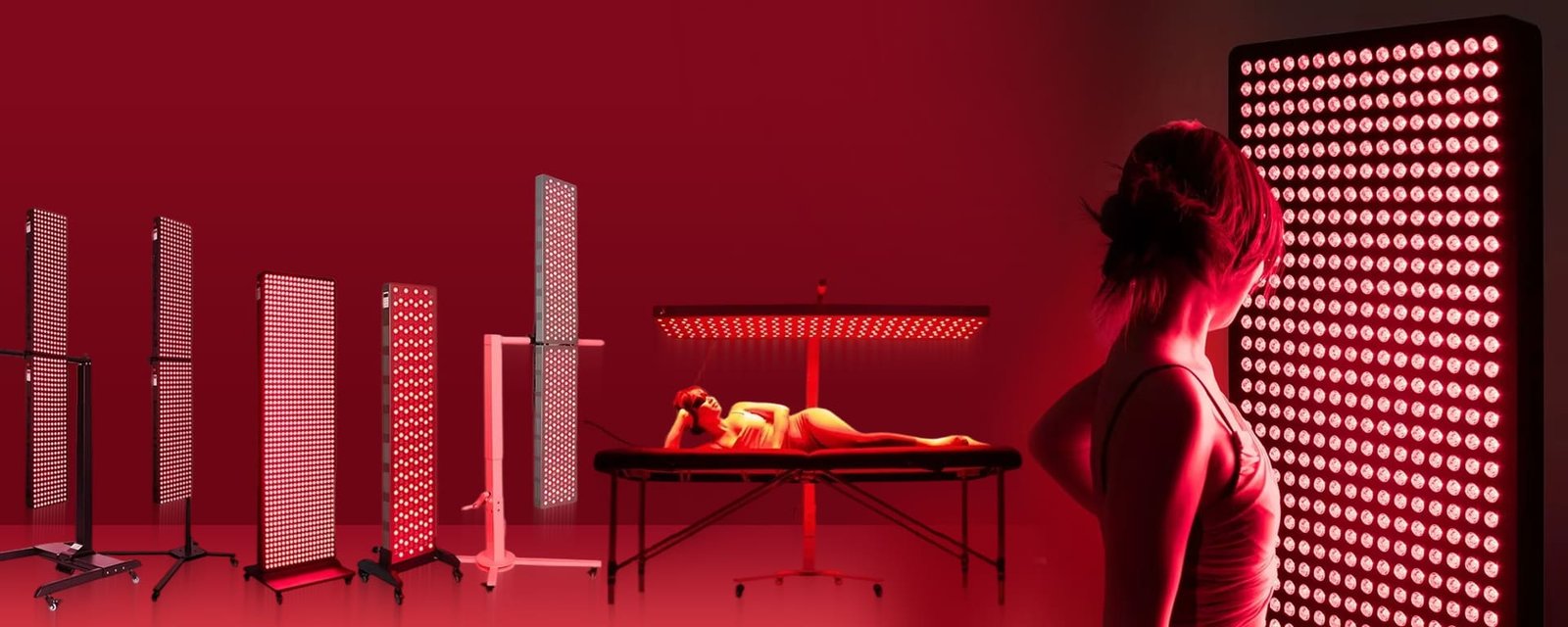
Finding the right red light therapy panels can be a challenge, especially with the evolving technology and market trends in 2026. Red light therapy panels are essential tools for wellness brands, rehab centers, and beauty professionals, but sourcing these devices demands careful attention to quality, certifications, and supplier credibility. In this guide, I’ll walk you through everything you need to know to source top-notch panels confidently.
Sourcing red light therapy panels in 2026 requires balancing quality, certifications, price, and reliable manufacturing partnerships. Prioritize suppliers who demonstrate technical expertise, offer compliance documentation for global markets, and provide flexible customization options for your brand's needs.
Choosing the right supplier is crucial to meeting your business goals. In this detailed guide, I’ll give you the tools to evaluate vendors, assess product quality, and manage logistics effectively.
Why is sourcing red light therapy panels important in 2026?
Demand for red light therapy products is soaring, driven by wellness trends and scientific validation. The problem is, not all manufacturers meet global standards for safety and quality. Without proper sourcing practices, you risk investing in substandard equipment that could hurt your business reputation.
Sourcing top-quality red light therapy panels ensures you meet high consumer expectations while maintaining compliance with industry standards. In 2026, customers demand devices with proven efficacy, seamless functionality, and attractive designs.
When sourcing the right panels, you’ll need to vet suppliers thoroughly — some offer flexible OEM/ODM services, while others prioritize mass production. I’ll break these options down further below.
How do I evaluate red light therapy panel manufacturers?
Evaluating manufacturers for red light therapy panels starts with technical expertise and proven credentials. Not all suppliers have the infrastructure required for consistent quality control and global exports. Here’s how to assess them effectively:
Reliable manufacturers invest in:
- Certifications like FDA, CE, RoHS, and FCC.
- Advanced production facilities, including PCB assembly and R&D testing.
- Customization capabilities (designs, wave ratios, functional features).
Dive deeper in your evaluation through testing sample panels for durability, irradiation power, wavelength precision, and heat dissipation. Brand reputation ultimately hinges on these metrics.
What certifications are vital for exporting red light therapy panels globally?
Certifications like FDA, CE, and RoHS regulate health devices for compliance and safety across global markets. Without these, import and export barriers will compromise your ability to sell internationally, risking fines or shipment delays.
Key certifications to check:
| Certification | Purpose | Key Markets |
|---|---|---|
| FDA | Approves medical-grade safety | USA |
| CE | Ensures EU market compliance | European Union |
| RoHS | Restricts hazardous substances | Most global markets |
| FCC | Governs electromagnetic interference | USA |
Ask for complete certification documents from manufacturers and verify authenticity with regulatory bodies. A trustworthy supplier will provide clear answers.
What are the latest technological features in red light therapy panels?
The technology behind red light therapy has advanced in thermal efficiency, control systems, and combination wavelengths. While traditional panels usually focus on 660nm and 850nm light combinations, newer designs integrate adjustable parameters for better use-case targeting.
Emerging Trends in Panel Features:
- Multi-wavelength setup: Incorporating additional wavelengths like 630nm or 940nm for broader therapy benefits.
- App integration: Bluetooth-enabled panels controllable via mobile apps for session tracking and scheduling.
- High irradiation density: Increased power output for faster results without overheating.
- Sleek designs: Compact shapes for home use and stylish finishes for clinics.
How to negotiate pricing without compromising quality?
Price negotiation for red light therapy panels boils down to understanding manufacturing costs and supplier constraints. Overly cheap options often compromise construction quality, resulting in lower-performing devices. But with bulk buying and clear specifications, competitive rates are achievable.
Factors impacting cost:
- Panel size — Full-body devices versus portable units.
- Materials used — Premium LEDs versus standard arrays.
- Customization needs — Logo branding, housing design, app integration.
Manufacturer pricing transparency:
Top suppliers generally provide quotes based on MOQ (minimum order quantities). To save costs long-term, prioritize reliable vendors over one-off deals.
Request detailed breakdowns for each line item — this includes PCB components, assembly fees, shipping costs, and testing charges. Cost predictability builds trust.
What are common pitfalls buyers face when sourcing panels?
While the industry is competitive, there are mistakes buyers should avoid in 2026. Common pitfalls stem from overlooking supplier due diligence and compromising on warranty terms.
Pitfall examples:
- Skipping factory inspections: Leads to surprise defects or slow production.
- Ignoring quality control testing: Causes refunds or customer complaints post-purchase.
- Underestimating shipping timelines: Delays rollouts for new product batches.
Risk Avoidance Measures:
- Insist on regular sample testing during manufacturing runs.
- Ask about warranty support terms (ideally one year minimum).
- Select suppliers that provide detailed aging tests and delivery transparency.
Frequently Asked Questions
Leading manufacturers ensure precision wavelengths like 660nm red light and 850nm near-infrared by using high-grade LED chips. Compliance testing further verifies therapeutic accuracy before export.
Devices without certifications may be suitable for personal use in non-regulated markets but are legally inadmissible for resale or import/export in regions like the US and EU.
Quality panels using premium components reach lifespans exceeding 50,000 operational hours. Check warranty terms for replaceable LEDs within warranty-covered use periods.
Some suppliers adjust MOQs for smaller-demand clients or first-time orders. Standard MOQs range from 30 units upwards, depending on panel size and functionality.
China remains a hub for sourcing industrial-grade therapies due to advanced PCB production and flexible OEM/ODM services. Always vet suppliers directly.
Conclusion
Sourcing red light therapy panels in 2026 is about balancing quality assurance, compliance certifications, and supplier reliability. Prioritize manufacturers with technical expertise, robust quality control, and global export readiness for successful long-term partnerships.
Ready to source red light therapy panels for your brand? Explore Furshin’s OEM/ODM manufacturing solutions today for industry-leading quality and certification access.
You May Also Like
Get Sourcing Insights in Your Inbox
Monthly guides on wavelengths, compliance and OEM production — written by our engineering team, no sales fluff.